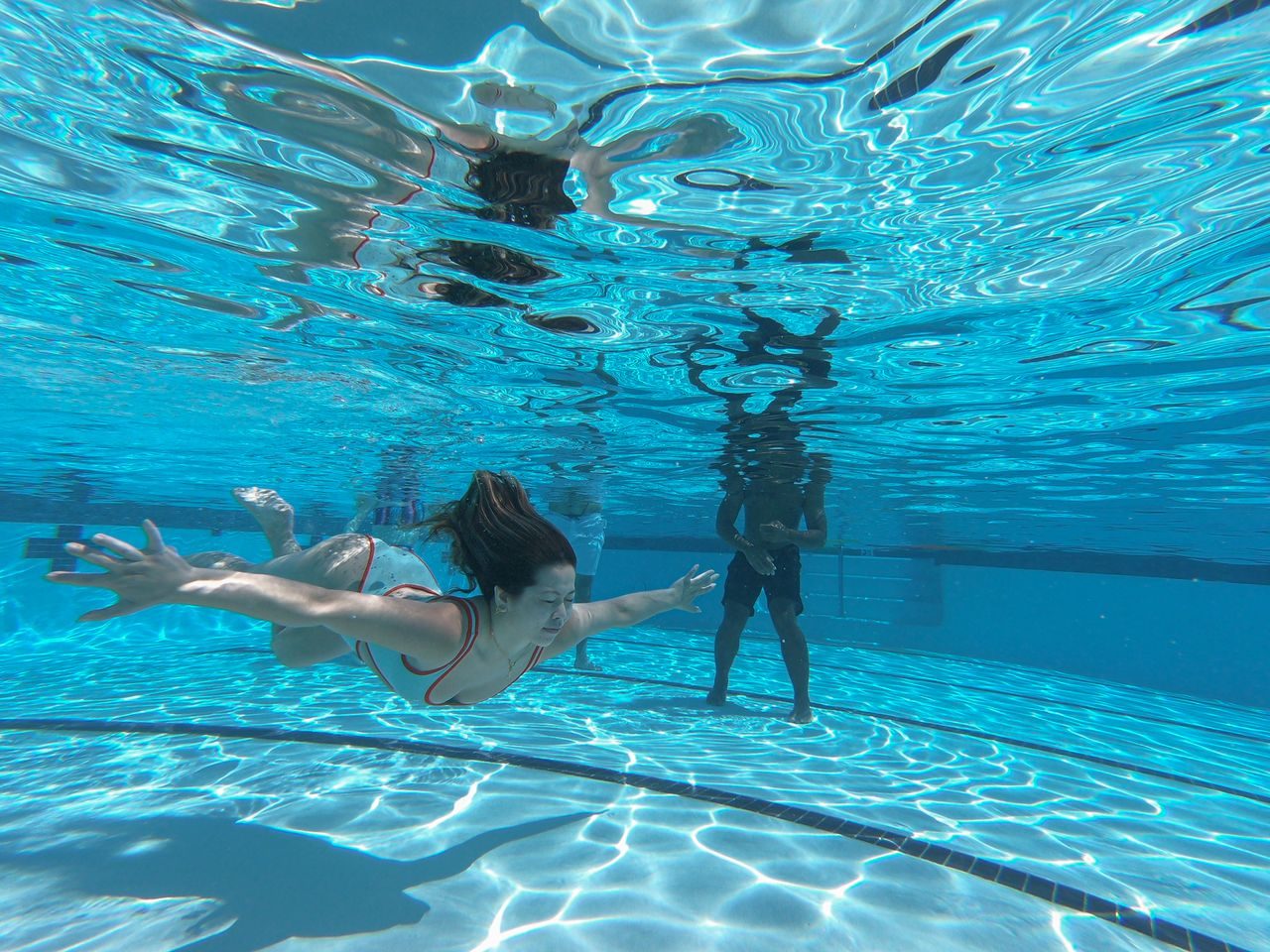
Most freediving incidents don’t happen deep. They happen in the last few meters, alone, after someone skipped the boring part. The boring part is this check.
Before you enter the water
- Buddy assigned, visually: one person whose only job on your dive is to watch your face from start to surface. “Nearby” is not assigned.
- No hyperventilation: forced fast breathing to get more air is the single most common cause of shallow-water blackout. Controlled slow breathing only.
- Equalization plan: if you can’t clear at 5m in the pool, you won’t at 25m in the sea. Know your limit before you exceed it.
- Ascent slower than your smallest bubble: lungs are fullest at the surface; rushing up spikes pressure changes.
- Surface protocol: one to two minutes of full exhale-inhale recovery breathing between dives. No back-to-back.
None of this is cautionary theater. It’s the difference between a sport with a manageable incident rate and one that makes the news. Take a certified course before independent diving. Reading a list is not training.